The photo arrived at 2 a.m. — a tiny face, a hospital blanket, and a caption that just said “she’s here.” I stared at it in the dark and felt two things at once: joy for my friends, and a sudden awareness of how little a “congratulations!” text actually does. They were about to enter the most wonderful and most sleepless weeks of their lives. They needed a blessing, yes. They also needed someone to mean it.
Send this one to the parents, not just about the baby. That difference is the whole point.
The Welcome Blessing to Send
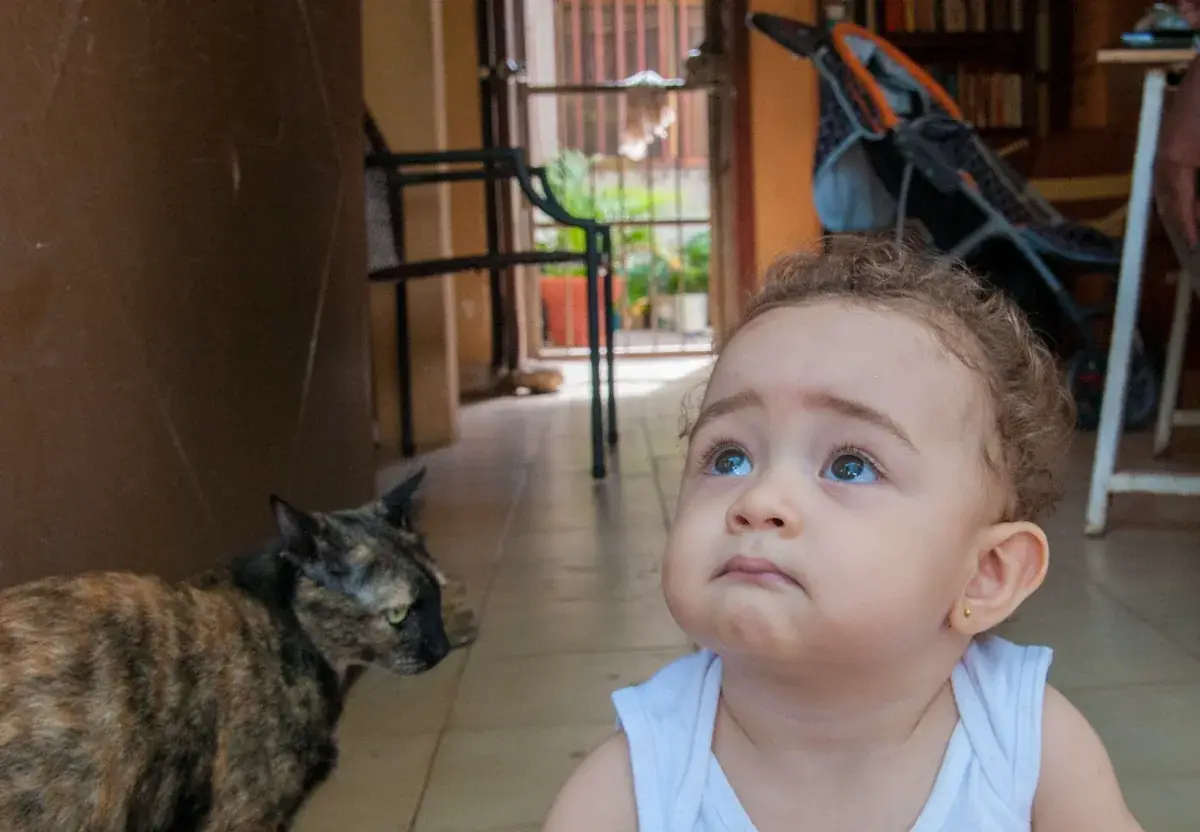
Welcome, little one. We thank God for you — for your first breath, your tiny hands, and the brand-new life you bring into this family. May God bless you with health, protect you as you grow, and fill your days with love, laughter, and safety. And to your mom and dad: may God give you strength for the short nights, patience for the hard days, and joy in the small moments — the first smile, the quiet feeding at midnight, the feeling of a tiny hand around your finger. May your home be full of peace, and may you always know you are not doing this alone.
Copy it into a text, write it in a card, or read it out loud over the phone. Put the baby’s name in where it fits. That small change is what turns a nice prayer into a personal one.
The Short Version for a Text
Welcome, little one! We are so happy for you all. Praying for health and joy for the baby, and strength, rest, and peace for Mom and Dad. We love you — and dinner is on us this week.
Below the blessing, you will find the deeper part of this page: what the verse means, when and how to send it, versions for grandparents, friends far away, church family, adoptive families, and hard arrivals, what help actually looks like, and answers to the questions people ask most. Send the blessing above now — and come back to the rest when you have a minute.
A Verse for This New Life
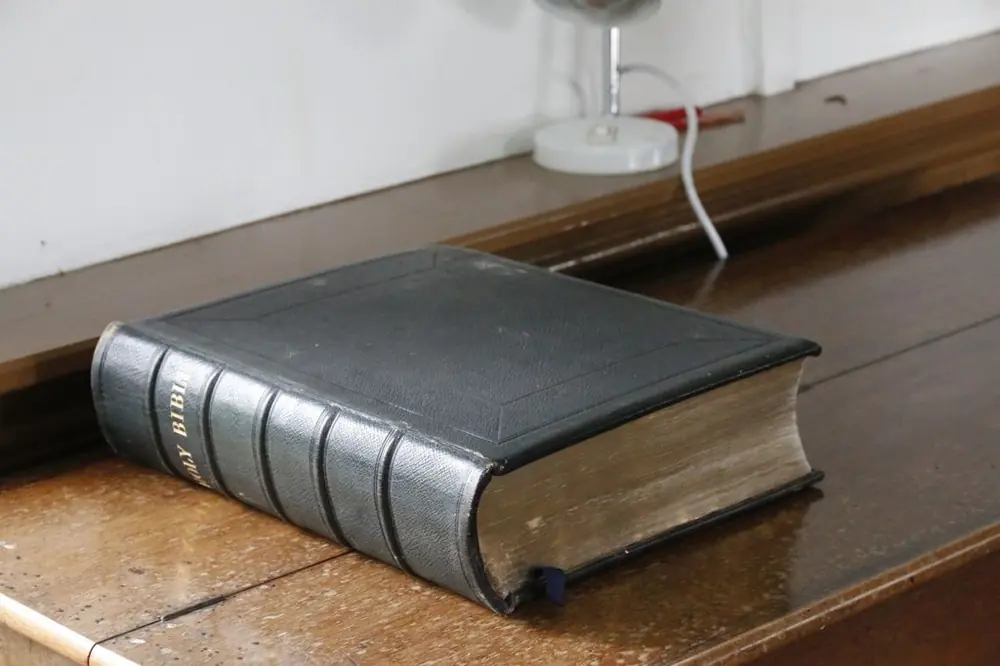
“Behold, children are a heritage of Yahweh. The fruit of the womb is his reward.” — Psalm 127:3 (WEB). Read it in full at BibleGateway, Psalm 127:3 (WEB).
Heritage is a strange, old word, and it is worth slowing down on it. A heritage is not something you earn or assemble. It is something handed to you, something that belonged to a larger story before it belonged to you. That is how this psalm talks about children. A baby is not a project the parents completed, and not a reward for being good enough parents. The baby is a gift entrusted to them, and a sign that God is still at work in ordinary families in ordinary houses.
That matters most on the days that do not feel like a gift at all. The third night in a row without real sleep. The feeding that will not settle. The worry that you are doing it wrong because everyone else online seems calm and glowing. Psalm 127:3 does not promise that parenting will feel rewarding every hour. It says something steadier: this child has value that does not depend on how the week is going. The baby’s worth was settled before the baby could do anything at all.
It also quietly corrects how we talk to new parents. If a child is a heritage, then the parents are stewards, not owners and not performers. They do not have to prove they deserved this baby, and they do not have to present a perfect nursery on social media to prove they are grateful. A blessing that starts from this verse can therefore be gentle in a way a lot of baby congratulations are not. It can say: you did not earn this, you do not have to earn the right to be tired, and God is present in the middle of the mess, not just in the announcement photo.
When you send the blessing above, you are really putting that verse into plain language. Health and protection for the baby. Strength and patience for the parents. Peace in the home. Those are not vague wishes. They are the daily form that “heritage” and “reward” take when the baby is actually here, crying in the next room.
What This Blessing Actually Covers
It helps to notice what a short blessing is doing, line by line, so you can mean it when you send it and adapt it without breaking it. First, it gives thanks. Not generic thanks for “this blessing,” but thanks for a safe arrival, for breath and small hands, for a life that is now real in a way it was not a week ago. Gratitude first keeps the prayer from sounding like a list of demands.
Second, it asks for the baby’s health and safety, and for the baby to grow up knowing love and belonging. That second part is easy to skip, and it is the part that lasts longest. Health gets a baby through the first year. Belonging carries a child through the next eighteen. A baby who knows, early and often, “you are wanted here” hears the gospel in a language smaller than words: held arms, a calm voice, a home that does not go quiet when things get hard.
Third, it blesses the parents as directly as it blesses the baby. Strength for short nights is not poetic filler. It is the most honest prayer you can pray for people who may not sleep properly for months. Patience for crying that will not stop is just as specific. And grace for each other matters because new parenthood strains even good marriages. Two exhausted people can love each other deeply and still snap over whose turn it is to get up. Praying for grace between them is praying for the baby’s home, too.
Finally, it names the small moments. The first smile. The warm weight of a sleeping baby against your chest. A quiet feeding at 2 a.m. when the house is dark and the world feels far away. Those moments are where most parents actually meet God in the newborn weeks — not in a big spiritual breakthrough, but in a tired tenderness they did not expect. A blessing that names them tells the parents: those moments count, and someone else sees them.
When to Send It
The best time is the day you hear the news, even if your message is short. New parents remember who showed up early, not who wrote the most polished paragraph. A text on announcement day that simply says the blessing, with the baby’s name in it, will be read on a hospital bed or a couch at home and probably re-read later, when the congratulations have slowed down and the nights have gotten long.
If you missed that first day, send it anyway. Late is not a failure here. The second week home is often harder than the first, because visitors have gone, meals have run out, and the newness has worn off while the exhaustion has not. A blessing that arrives in week two or three can land even deeper than one that arrived with fifty others on day one. Just add one honest line at the top: “I know I am a little late — I have been thinking of you all since he arrived, and I wanted to send this properly.”
There are a few other moments worth marking. When the family comes home from the hospital, when a baby comes home after time in the neonatal unit, when an adoption is finalized and a child finally sleeps in their own room, or when a second or third baby arrives and the older child is wondering where they fit now. In each case the same blessing works, with one or two lines changed. For a homecoming, add: “Welcome home, little one.” For an adoption, the thanks is for a family being joined together, not just for a birth. For a second baby, add a line for the big brother or sister by name. The structure holds. The details make it theirs.
And if you are the parent reading this, not the sender, the same timing applies in reverse. Pray this blessing over your baby on the first night home, and again on a night when nothing is working. You do not need a special occasion. The blessing was written to be used, not admired.
Ways to Send It, Depending on Who You Are
A blessing lands differently depending on your relationship, and a few small changes keep it from sounding borrowed. Here are versions that keep the same heart and fit the sender.
If you are a close friend, near or far
Send the full blessing by text, then add one concrete offer in the same message. Distance does not excuse vagueness. “I am sending a grocery delivery on Friday — tell me what you actually need, or I will guess badly” is better than “Let me know if you need anything,” which puts the work back on exhausted parents. If you live far away, a voice note of you reading the blessing slowly can mean more than a typed card. They can play it back at 3 a.m. when they are awake and everyone else is asleep.
If you are writing in a card or a gift note
Write the blessing by hand if you can, even if your handwriting is ordinary. New parents keep cards. They put them in the baby box, or on the fridge, or in a drawer they open months later on a hard day. Keep your own addition short and specific: a memory, a promise, a date you will visit. “We cannot wait to meet her properly in June” gives them something to look forward to that is not advice.
If you are a grandparent
Grandparents carry a particular blessing, because they have lived the newborn weeks themselves and know what comes next. A grandparent’s version can add: “We prayed for this child before we knew their name, and we will keep praying as they grow.” That line connects generations without taking over. What it should not do is turn into instructions. New parents are drowning in advice already. A blessing from a grandparent is most powerful when it says “we are proud of you, we are here, and we trust you with this child,” and then actually steps back.
If you are church family or a small group
Send it as a group, with names signed underneath, and pair it with a meal schedule rather than a single meal. One lasagna on Tuesday helps. Four weeks of meals, laundry help, and someone to hold the baby while a parent showers helps more. If your church prays for new babies publicly, this blessing works spoken aloud, too — read it slowly, pause after the line about the parents, and let the room hear that the parents are being prayed for, not just the baby.
If the arrival was hard: premature birth, NICU time, or a long hospital stay
Be careful here, and be slower. Do not say “everything happens for a reason” and do not ask for medical details the parents have already explained ten times. The blessing still fits, but soften the celebration and strengthen the protection and patience lines. Something like: “We thank God for every day this little one grows stronger, and we are praying for health, for the doctors and nurses caring for them, and for strength for you both while you wait.” Then offer something that fits a hospital life: a parking gift card, a meal near the hospital, a ride, or simply sitting with them without needing an update. When the baby comes home, send the full welcome blessing again. It will mean something different the second time, and that is the point.
If this is an adoption, or a foster placement becoming family
Change the arrival language, keep the welcome. “We thank God for bringing you together as a family” honors the story without pretending it was simple. Do not ask about the birth story unless the parents offer it, and do not call the child “lucky” — the parents will tell you themselves that they feel like the lucky ones. A blessing for an adoptive family is, at its best, a welcome into belonging: this child is yours, this home is theirs, and this community will show up for all of you.
If there is an older brother or sister
Name them. A new baby can feel, to a three-year-old or a seven-year-old, like a small earthquake in their world. Add a line to your message for them: “And to big sister Maya — you are going to be such a good helper, and you are still so loved, exactly as much as ever.” Parents notice when someone remembers the older child. So does the older child, years later.
For the Parents, Too: What Help Actually Looks Like
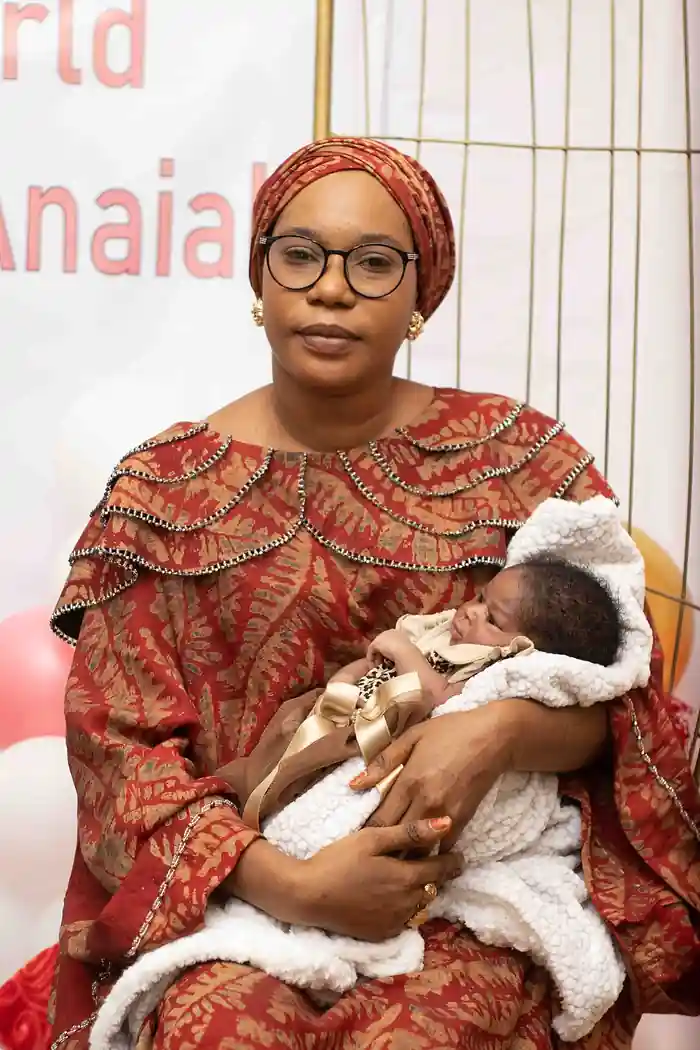
Most baby messages forget the parents entirely, or remember them with a single line about sleep. The old short version of this blessing got this part right, and it is worth expanding, because practical help is where a blessing becomes believable.
Start with the mother’s recovery, because it is the part people politely skip. Birth, whether vaginal or surgical, is a major physical event, and recovery does not end when the hospital discharges her. A blessing that prays for strength and rest should be followed, by the sender, with help that protects rest: a meal that can be eaten one-handed, a load of laundry folded without being asked, a visit that ends when the parent looks tired, not when the visitor feels done.
Do not forget the other parent, either. Partners often go back to work while running on the same broken sleep, and they can feel invisible in a house full of visitors asking only about the baby and the birth. A line in your message — “Praying for you too, Dad” or naming the partner directly — costs nothing and is remembered. So is a practical offer aimed at them: a coffee run, a shift holding the baby so they can nap, help with the car seat that will not install properly.
The most useful offers are specific, dated, and easy to refuse. “Can I drop off soup on Thursday around five and leave it at the door?” beats “Call me if you need anything.” “I can sit with the baby Saturday morning for two hours so you can sleep — no need to tidy up” beats “Let me help sometime.” Specificity removes the mental work of organizing help, which is exactly the work exhausted parents cannot do.
Visitors need boundaries, and a blessing-giver can model them. Text before you come. Keep the visit short. Wash your hands without being asked. Do not come if you are even slightly ill. Do not wake a sleeping baby for a photo. Bring food, take a chore with you when you leave, and tell the parents they do not need to host you. If you are far away, the same rules apply by phone: ask how they are, not just how the baby is, and do not expect a long reply.
And if you are a new parent yourself, let people help. That is harder than it sounds, especially if you are used to being the capable one. Accepting a meal is not failing. Letting a friend hold the baby while you shower is not a weakness. The blessing prays for help to arrive before you have to ask — sometimes that help is already standing at your door, waiting for you to say yes.
For a Single Parent, and for Parents Who Are Finding It Hard
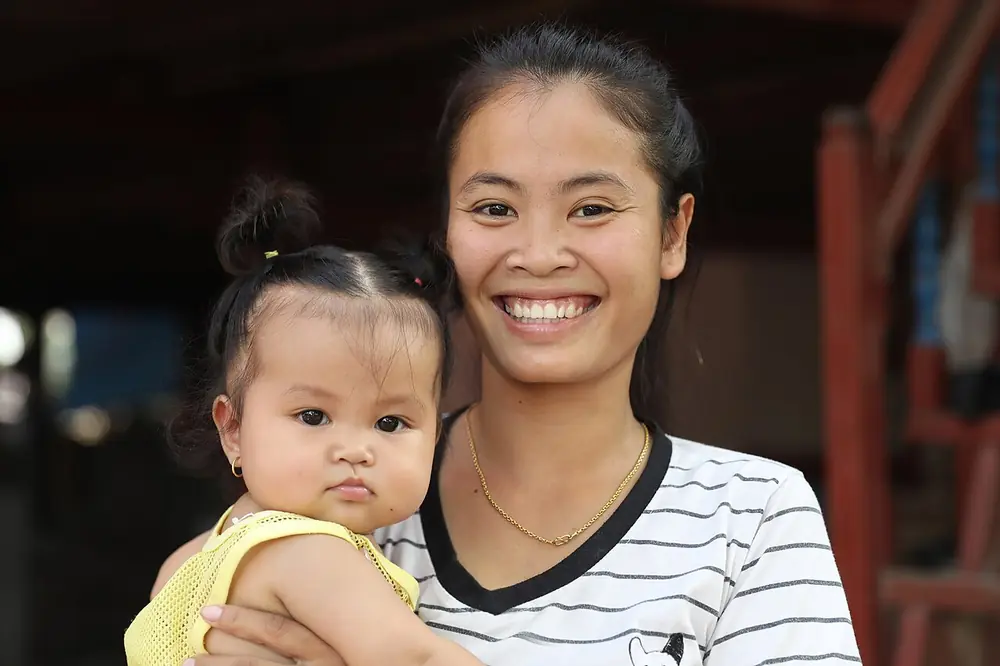
This new baby blessing welcome prayer is written for two parents, but not every family looks like that, and not every new parent is coping well behind the announcement photo. If you are blessing a single parent, say so directly, without pity and without advice: “We are praying for you and your little one, and we are here — not just this week, but in the months ahead.” Then prove it with one dated offer, the way the help section above describes, because a single parent hears “let me know if you need anything” as one more task, not as help.
If a parent seems anxious, low, or overwhelmed rather than simply tired, do not try to diagnose them in a message, and do not tell them to cheer up because they have a beautiful baby. They know the baby is beautiful. What helps is steadiness: keep checking in, keep the visits short, keep offering practical help, and gently suggest they talk to their doctor or midwife if the hard feelings do not lift. A blessing that says “you are not doing this alone” is only true if someone actually stays around long enough to mean it.
What Not to Say Alongside a Blessing
A good blessing can be undone by the sentence after it. Avoid “sleep when the baby sleeps,” which sounds like advice from someone who has forgotten that laundry, dishes, and older children do not sleep. Avoid comparing babies — “mine slept through the night at six weeks” helps no one, and it is rarely even true in the way it sounds. Avoid commenting on the mother’s body, the baby’s size, or how the birth “should” have gone. And avoid turning a congratulations message into a debate about feeding, sleep training, or parenting choices. The parents will make a hundred decisions in the next year. Your job in this message is not to add one more.
If you do not know what to say, the blessing itself is enough. You do not need to fill silence with advice. Send the blessing, add your love and one practical offer, and stop there. Restraint is a form of kindness in the newborn weeks.
If You Are the Parent, Praying This Over Your Own Baby

Read the blessing aloud, slowly, with the baby in your arms if that is possible. Change “we thank God” to “I thank you, God,” and put your baby’s name in it. Pray the line about strength for yourself without guilt. You are not being selfish for asking God for sleep, patience, and grace for your marriage. You are praying for the conditions your baby needs: a rested-enough, supported-enough home.
On a hard night, you do not need to pray the whole thing. Pick one line and repeat it. “May God give you strength for the short nights” can be a whole prayer at 3 a.m. So can “May our home be full of peace.” God is not grading the length of your prayers in the newborn weeks. He is present in them, even the short, tired ones whispered over a crib.
Checking Back In: The Blessing After the First Week
The hardest part of new parenthood is rarely the announcement day. It is week three, week six, and the first month back at work. That is when a second message matters most. Send the short version again, or just the parents’ lines, with a new offer: a meal in week four, a walk with the baby so a parent can rest, a check-in that does not require a cheerful reply.
Something like: “Still praying this for you — strength for the short nights, patience for the hard days, and joy in the small moments. No need to reply. Dinner is on us Thursday.” That message tells parents they have not been forgotten once the news stopped being news. It also builds the bridge to the next milestone. The same family you bless today will, in a year, be celebrating a first birthday. A blessing sent now, and remembered later, is how community actually forms around a child.
Frequently Asked Questions
Can I send this blessing by text, or does it need to be in a card?
Text is fine, and for many families it is better, because it arrives the day they need it. Send the full blessing in one message, with the baby’s name added, and follow it with one specific offer of help. A card is lovely for keeping, but do not delay a text while waiting to buy a card. Send the text now, and the card later if you like.
What if I do not know the baby’s name yet?
Use “little one” exactly as written, and add the parents’ names if you know them. The blessing works without a name, because it is addressed to the family as a whole. When you learn the name, use it in your follow-up message. That second, named message often means even more.
Is this blessing suitable for a baby shower, a birth announcement reply, or a dedication?
Yes, with small changes. For a shower, send it as a hope for the baby to come. For an announcement reply, send it as written. For a dedication or church welcome, read it aloud slowly and add the congregation’s name where it fits. It is written to be non-denominational and Bible-based, so it works across Christian traditions without ceremony language that belongs to one church alone.
What if the baby was born early, or the family is still in the hospital?
Send a shorter, gentler version first: thanks for each day of growth, prayer for health and for the medical team, and strength for the parents while they wait. Do not ask for updates they have already given many times. When the baby comes home, send the full welcome blessing. Both messages matter, and the second one marks a homecoming worth celebrating properly.
Can I change the wording to fit a boy, a girl, or a family I know well?
Yes. The blessing deliberately avoids gendered language for the baby, so it works as written for any child. Add names, add a line about an older sibling, or add a memory of the parents. Keep the thanks, the prayer for health and protection, and the prayer for the parents intact — those three parts are the spine of the blessing, and everything else is personalization around them.
What should I do besides sending the blessing?
Pair it with one concrete act: a meal, a grocery delivery, laundry, a ride, or time holding the baby so a parent can sleep. Tell the parents when, and make it easy to accept. Then check back in two weeks and again in six weeks, when most help has stopped. A blessing plus follow-through is what turns kind words into a community a new family can actually lean on.
More blessings for life’s big moments are in our Blessings collection — including a short birthday prayer for the many birthdays this little one has ahead, and a wedding blessing for the couples who will one day celebrate this child. You can also read more about who we are on our About page and in our Statement of Faith.

The HolyPrayerz Editorial Team shares short, sendable blessings for occasions, relationships, and holidays — Bible-based words you can copy, text, or share in a moment.