There is a particular panic that comes with a blank wedding card. You love the couple, or you love one of them, or you were invited by someone who loves them — and now you have three lines and a pen that will not move. This blessing is written for that card. Copy it below, add their names at the top, and it is done. Everything after it is the deeper help for when you want more.
The Wedding Blessing to Send
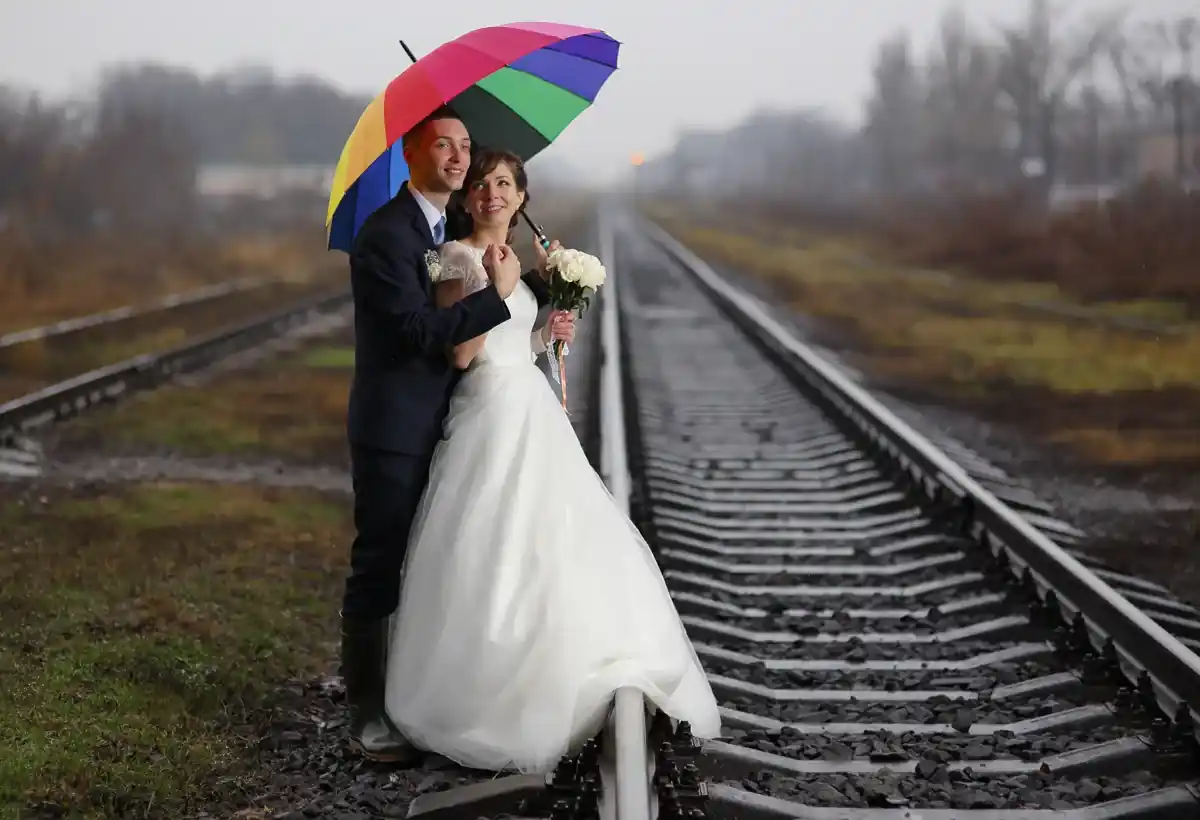
To the happy couple — congratulations, and God bless you both. May your marriage be built on the things that last: patience when you disagree, laughter when the plans fall apart, and grace for each other on the ordinary days. May your home be a place of peace, your table a place of welcome, and your love a quiet witness to the people around you. May God keep you close to each other and close to Him, today and in all the years ahead.
Read that slowly once before you copy it. Notice what it does not do. It does not promise a life without trouble, and it does not pretend marriage is only a wedding day. It names patience, laughter, and grace — three things a couple will need in the first month and in the fiftieth year. It names a home and a table, not just a ceremony, because marriage is mostly lived in kitchens and cars and tired evenings, not under flowers. And it ends where a Christian blessing should end: not with the couple’s strength alone, but with God keeping them close to each other and close to Him. That last line is the difference between a nice wish and a prayer.
How to Make It Yours in One Minute
Put their names at the top, in your own handwriting if it is a card, or as the first words if it is a message. “Sarah and Ben,” or “To Emma and Josh,” changes everything. A blessing addressed to no one in particular reads like a greeting card. A blessing addressed to two named people reads like it was meant for them, because it was.
Then add one true sentence after the blessing, before you sign. Not a speech, not a story, just one detail only you could write. It might be, “I still remember how happy you both looked at that backyard barbecue last summer.” It might be, “Thank you for letting me be part of this day.” It might be, very simply, “So happy for you both.” Couples do not keep cards because the handwriting was beautiful. They keep the ones where they can hear the sender’s voice. Your one sentence is what lets them hear yours.
Sign it the way you actually sign things. If you are “Aunt Marie” to them, be Aunt Marie, not “Marie Thompson.” If you are a coworker, your first name and a short note about work is enough: “So glad I get to celebrate with you — James from the office.” Trying to sound formal when you are not formal only creates distance. Warmth travels better when it sounds like you.
Short Versions for a Text, a Toast, or a Caption
Not every blessing fits every place. A card can hold the full prayer. A text cannot, and a toast needs a different rhythm altogether. Use the full blessing as the anchor, and choose the shorter shape that fits where you are sending it. Each one below keeps the same heart — patience, laughter, grace, home, and God at the center — in fewer words.
For a text message: Congratulations to the happy couple! Praying your marriage is full of patience, laughter, and grace — and that God keeps you close to each other and close to Him, today and always. So happy for you both.
For a gift note, when space is tight: To the happy couple — God bless your marriage. May your home be peaceful, your table welcoming, and your love steady through every season. Congratulations!
For a toast, spoken aloud: To [their names] — may your marriage be built on patience when you disagree, laughter when plans fall apart, and grace on the ordinary days. May God keep you close to each other and close to Him, today and in all the years ahead. To the happy couple!
For a social media caption or photo comment: Congratulations to the happy couple! Praying for a marriage full of peace at home, laughter at the table, and grace for each other every day. God bless you both.
The point of these shorter forms is not to water the blessing down. It is to keep you from sending nothing because the full version felt too long for the moment. A short blessing sent on time is worth far more than a perfect blessing you never send.
The Verse at the Heart of This Blessing
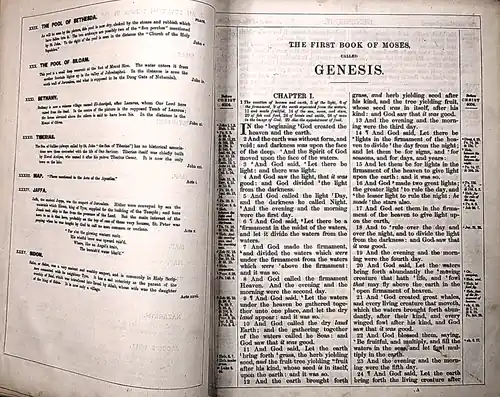
“If a man prevails against one who is alone, two shall withstand him. A threefold cord is not quickly broken.” — Ecclesiastes 4:12 (WEB). Read it in full at BibleGateway, Ecclesiastes 4:12 (WEB).
That verse comes from a passage about why two are better than one. The writer before it talks about a companion lifting you when you fall, warming you when you are cold, and standing with you when trouble comes. Verse 12 is the conclusion: one person alone can be overpowered, two together can stand, and a cord woven from three strands is far harder to break than a single thread. In a wedding, that third strand is God. It is not decoration on the marriage. It is the strength running through the middle of it.
This is why the image works so well in a card, even for guests who are not used to quoting Scripture. Most couples already know, on some level, that love alone — feeling alone — will not carry a marriage through a job loss, an illness, a move, or a season when they barely have time for each other. They need each other, and they need something steadier than their own mood on a given day. A threefold cord says that plainly: your marriage is not held together by one thread. It is woven, and God is part of the weave.
If you write the verse in the card, write it after the blessing, not instead of it. The blessing is your prayer for them. The verse is the reason you can pray it with confidence. Together they say something a list of wishes never quite says: this is not just my hope for you, it is a pattern God Himself describes, and you are living inside it now.
One practical note: do not add three or four more verses to the same card. It starts to feel like a sermon outline, and the couple stops hearing your voice. One verse, well chosen, remembered, and tied to their actual life, will stay with them longer than a page of references. If they want to study more, they will. Your job in a card is to give them one true anchor, not a library.
When to Send It
The obvious time is the wedding itself, tucked into a card handed over at the reception or left on the gift table. But this blessing is useful in at least five other moments that most wedding lists never mention, and those moments are often when a couple needs it most.
Send it the week before the wedding, when nerves are high and the couple is drowning in seating charts and vendor emails. A short, calm blessing arriving then feels completely different from one arriving in a pile of fifty cards on the day. It tells them someone is already praying, not just celebrating.
Send it the morning after the wedding, by text, when the dress is hung up and the real life is about to begin. “Praying for you not just today, but on the ordinary Tuesdays too” is a line couples remember, because nobody else says it. Everyone blesses the wedding day. Far fewer people bless the Tuesday after the honeymoon, when the laundry and the bills and the new routines arrive all at once.
Send it if you could not attend. Distance, money, illness, work, or a full guest list keeps many good people away, and those people often feel guilty and say nothing at all. Say something. A text with this blessing, plus “I wish I could have been there — I was thinking of you all day,” closes a gap that silence only widens.
Send it late, without apology spiraling. If you missed the wedding and the card sat on your counter for three weeks, send it anyway. Write, “A little late, but no less meant,” and then the blessing. Couples are far more forgiving about timing than senders fear, and a late blessing is still a blessing. No blessing at all is the only version that cannot be received.
Send it again, in your own words, on their first anniversary. You do not need to resend the identical card. You can simply write, “A year ago I prayed this for you — and I am still praying it.” That kind of follow-through is rare, and it is exactly what turns a wedding guest into a steady friend of the marriage.
Versions for Who You Are to Them
A blessing should not sound the same from a parent as it does from a coworker. The core prayer stays the same, but the sentence you add around it should fit the relationship honestly. Forcing closeness you do not have feels worse than keeping a respectful distance with warmth.
Do not fake closeness. A simple, honest blessing lands better than a long, borrowed one. Write the blessing above, then sign it with your name and one true sentence, such as “So happy for you both” or “Wishing you a lifetime of joy together.” Nobody has ever kept a card because it was impressive. They keep the ones that felt sincere.
If you are a close friend: You can be personal and a little playful. Add a memory, a joke only the couple will understand, or a promise: “I will still be here for the hard conversations, not just the dance floor.” Close friends are allowed to name the real stuff — the move, the stress, the long engagement — because the couple knows you have earned the right to mention it. Do not use that closeness to give advice in a card. A card is for blessing, not for a lecture about finances or in-laws.
If you are family — a parent, sibling, aunt, uncle, or grandparent: Your blessing carries extra weight, because the couple hears your history in it. A parent might add, “Watching you choose each other has been one of the great joys of my life.” A sibling might add, “I have never seen my brother this steady, or this happy.” Keep it generous even if the road to the wedding was complicated. This is not the place to settle old scores or to remind the couple of past mistakes. A family blessing should feel like a door opening, not a judgment handed down.
If you are a coworker, neighbor, or friend of a friend: Keep it simple, warm, and honest about the distance. “So happy for you both — wishing you a lifetime of joy together” is a complete, dignified message. You do not need to invent a deep friendship, quote poetry, or write three paragraphs to prove you care. The couple invited you because you matter to them in your own lane. A short, sincere blessing honors that lane exactly.
If you barely know one of them: Address them both equally, and do not single out only the person you know. “To the happy couple” does that work for you. Sign with your full name and a small anchor — “James, from Sarah’s office” or “the neighbors from Maple Street” — so they can place you later when they reread the card. Sincerity includes not pretending to be closer than you are.
If the couple is older, remarrying, or blending families: Do not write as if this is a first wedding for two twenty-year-olds, and do not ignore the children, the previous chapters, or the courage it took to love again. A line like, “Blessing your whole family as you build this new home together,” honors the fuller picture without prying. The same blessing works beautifully here, because patience, laughter, grace, and a peaceful home are, if anything, more meaningful the second time around.
When Marriage Starts in a Hard Season

Some weddings happen in the middle of difficulty: a parent is ill, money is tight, a deployment is coming, a job is uncertain, or the couple has already walked through grief to get to the altar. In those cases, a breezy “best day ever!” message can feel tone-deaf. The blessing above still fits, but the sentence you add should acknowledge reality gently.
You might write, “I know this season has asked a lot of you both. I am praying for peace in your new home, and for strength that does not depend on everything going perfectly.” Or, “Praying that God holds you steady through this first year, whatever it brings.” You are not fixing their situation in a card. You are telling them you see it, and you are not looking away from it.
For a couple starting married life apart — military service, work in another city, immigration paperwork, or a long-distance beginning — add a line about waiting well: “Praying for you across the miles until home is in one place again.” For a couple facing health challenges, keep it simple and avoid medical advice or predictions: “Praying for comfort, good care, and quiet days together.” The rule is the same in every hard case: name the difficulty briefly, bless the couple generously, and do not try to explain why the difficulty happened.
What Not to Write in a Wedding Blessing
Good intentions go wrong in wedding cards in predictable ways, so it is worth naming them plainly. Avoid jokes about marriage as a trap, a ball and chain, losing freedom, or “good luck, you will need it.” Even when meant as humor, those jokes land as cynicism on a day when a couple is trying to believe in permanence. Save the humor for the toast if you must, and keep the card for blessing.
Avoid advice disguised as blessing: “Never go to bed angry,” “Always put him first,” “Just wait until the first year is over.” Advice, however true, shifts the card from prayer to instruction, and it often reveals more about the sender’s marriage than the couple’s. If you genuinely want to share wisdom, do it in a conversation later, not in the three lines of a card.
Avoid comments about money, gifts, appearances, or timelines: how much the wedding cost, whether the gift was enough, when babies might arrive, or whether someone looks different. None of that belongs in a blessing. A blessing is about the marriage, not the event, the registry, or the future family the couple may or may not choose.
Avoid making the blessing about you. “This reminds me of my own wedding” can be a sweet bridge if it is one sentence and then returns to them. Five sentences about your wedding, your divorce, or your singleness turns their card into your story. Keep the focus where the blessing puts it: on the happy couple, their home, and God keeping them.
Beyond the Wedding Day: The Ordinary Tuesdays

The old blessing already knew this, and it is worth saying more fully here, because almost every wedding list stops at the ceremony. The wedding is one day. The marriage is thousands of ordinary days, and most of those days will not feel romantic. They will feel like grocery lists, tired evenings, dishes in the sink, a car that needs repair, and two people trying to be kind when they are both running low.
The best wedding blessings also work a year later, when the flowers are gone and the marriage is mostly grocery lists and tired evenings. If you send this after the wedding, add: “Praying for you not just today, but on the ordinary Tuesdays too.” That is where most marriages are actually lived, and where a blessing is most needed.
That is why the blessing prays for patience when you disagree, not just joy when you agree. Disagreement is not a sign that a marriage is failing. It is a sign that two different people are actually living together. Patience in that moment — pausing, listening, choosing a gentler tone, forgiving quickly — is a spiritual practice, not just a personality trait. Couples who learn it early tend to last, not because they never fight, but because they know how to come back to each other after a fight.
Laughter matters just as much, and for a plainer reason: it keeps a marriage from becoming only a project. Plans will fall apart — the vacation, the renovation, the dinner party, the budget. A couple that can laugh together when the plan collapses has something no perfect plan can give them: lightness. Pray for that lightness by name. It is not frivolous. It is often what gets a couple through a hard week intact.
Grace on ordinary days is the quietest part of the blessing and the most important. Grace means not keeping score, not weaponizing past mistakes, and not requiring your spouse to earn back love after every bad day. It means remembering that both of you are, in Christian terms, forgiven people learning to forgive. A home built on grace feels safe. A home built on scorekeeping feels like a courtroom. Couples can tell the difference within a month, even if they cannot name it yet.
A peaceful home and a welcoming table are the outward signs of that inner life. Peace does not mean silence or the absence of honest conversation. It means a home where both people can say what they think without fear, rest without guilt, and come home without bracing themselves. A welcoming table means friends, family, neighbors, and eventually children or grandchildren find food, warmth, and unhurried conversation there. A marriage that blesses only itself is smaller than a marriage that blesses everyone who sits at its table.
If you are the sender, you can support that life long after the wedding by being the kind of friend who shows up on Tuesdays: a meal when someone is ill, a ride when a car breaks down, a phone call that is not only about the wedding photos. Blessings are not only words. The best wedding blessing is a community that keeps blessing the marriage after the flowers are gone.
How to Write Your Own Version, If You Want To
If the blessing above feels close but not quite yours, use it as a skeleton and write your own in four short moves. First, name them and congratulate them in your own words. Second, pray for one or two qualities they will need — patience, courage, joy, steadiness — rather than listing ten virtues. Third, name a concrete picture: their home, their table, their work, their future family, or a place they love. Fourth, end with God keeping them, not just with your hopes for them. That structure — greeting, qualities, picture, God — is enough for almost any card, and it keeps you from drifting into generic praise.
Try it in a draft on your phone before you touch the card. Read it aloud once. If it sounds like something you would actually say to them face to face, it is ready. If it sounds like a website, cross out the fanciest sentence and replace it with a plainer one. Plain is not a flaw in a blessing. Plain is how people know you meant it.
For the Bride and for the Groom, and a Formal Version
Most wedding lists give one message for the couple and stop there, but a wedding blessing for the happy couple is often read by two people who hear it differently. A short line addressed to each of them, added after the main blessing, makes both feel named rather than grouped together. Try this: “To the bride — may your joy today grow into steady happiness in the years ahead. To the groom — may you love, honor, and cherish her well, in good days and hard ones.” Keep it even-handed. A blessing that praises one partner and barely mentions the other will be noticed, and not kindly.
If the card needs to sound formal — for a boss, a distant relative, or a couple you respect but do not know well — use this version as it stands: “Congratulations on your marriage. May God bless your life together with peace, patience, and lasting joy, and may your home be a place of welcome for many years to come.” Formal does not have to mean cold. It means measured, respectful, and free of jokes or nicknames that only close friends can carry off.
Frequently Asked Questions
Can I use this blessing if I am not close to the couple?
Yes. That is exactly what it was written for. Address it to the happy couple, add one honest sentence such as “So happy for you both,” sign with your name, and you are done. You do not need to fake closeness, and the couple will not expect you to.
How long should a wedding card message be?
Three to six sentences is ideal for most cards. The full blessing above fits that range once you add names and a sign-off. Longer messages are fine for a letter, but in a card, length quickly becomes a burden for the reader. Say one thing well rather than five things thinly.
Can I send this blessing by text instead of a card?
Yes, especially if you cannot attend, if you are sending it the morning after the wedding, or if you want to follow up months later. Use the short text version above for a phone screen, and save the full version for a card or a longer message where it has room to breathe.
What Bible verse goes best with a wedding blessing?
Ecclesiastes 4:12 is a strong, simple choice because it speaks directly to marriage as a threefold cord: two people, and God woven through the middle. It works for a card, a toast, or a program, and it does not require a long explanation to be understood.
Is it okay to use the same blessing for more than one couple?
Yes, as long as you personalize it each time with names and one true sentence. The prayer itself is meant to be shared. What makes it personal is not inventing entirely new words for every wedding, but showing each couple that you thought of them specifically when you sent it.
What if I missed the wedding entirely?
Send it late, with a brief, honest note: “A little late, but no less meant.” Do not write a long apology that makes the message about your guilt. A late blessing, sent with warmth, is received far more gladly than most senders expect.
However you send it — in ink, by text, spoken at a table, or tucked into a gift — the hope is the same. May the happy couple you are celebrating build a marriage on patience, laughter, and grace. May their home be peaceful, their table welcoming, and their love a quiet witness to everyone around them. And may God keep them close to each other and close to Him, today, on the ordinary Tuesdays, and in all the years ahead.
For the next milestone, you will find our short anniversary prayer in the Blessings collection, along with our short birthday prayer for a friend. Everything here is written in the same spirit as our Statement of Faith: short at the top, deeper below, and meant to be shared.

The HolyPrayerz Editorial Team shares short, sendable blessings for occasions, relationships, and holidays — Bible-based words you can copy, text, or share in a moment.