There is a moment every family knows, and it happens quietly. The wedding is over. The photos are taken. The cake is gone. And then, a few days later, he walks into your house for the first time — not as your sister’s boyfriend, not as a guest, but as family. He stands in the doorway for half a second too long, not quite sure where to put his hands, and you can see it in his face: he is wondering whether he belongs here yet.
That is the moment this blessing is for.
A new brother-in-law does not need a speech. He does not need a test, or a lecture, or a list of family rules. He needs one thing more than anything else in those first weeks: to know that he is wanted. Not tolerated. Not accepted on probation. Wanted. And the fastest way to tell him is the simplest one — a short prayer, a warm message, a few honest words sent at the right time, telling him that the door is open and that he is one of us now.
This page is full of blessings you can send him today. Short ones for a text. Longer ones for a card. Prayers for him, prayers for him and your sister together, and Bible verses that say what you are trying to say better than you can say it yourself. Copy any of them. Change the names. Send them as they are. They are ready.
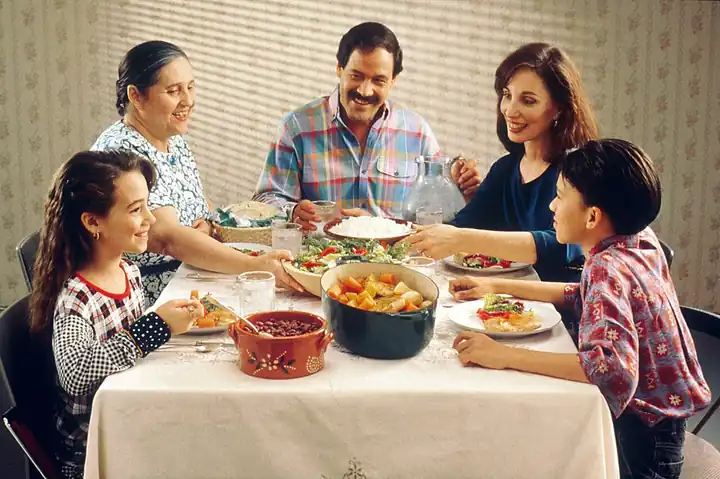
The First Time He Walks In as Family
Think back to the first time you walked into someone else’s home as the new person. Maybe it was your own in-laws’ house, years ago. Maybe it was a friend’s family dinner. You remember the feeling, don’t you? The way you watched everyone else to figure out the rules. Where to sit. Whether to take your shoes off. Whether the jokes were meant to be laughed at or just smiled at. Whether anyone would notice if you were quiet.
He feels all of that, and then some. Because this is not a dinner party. This is the family he married into, and he will be coming back to this table for the rest of his life. The first welcome sets the tone for years. If the first weeks are warm, the years that follow are easy. If the first weeks are cold, or careful, or full of little tests, he will feel it for a long time — even if nobody means it that way.
So the work of welcoming a brother-in-law is not a big event. It is a series of small ones. A text the morning after the wedding. A seat saved for him at the table. A question about his work that shows you were listening. A prayer sent on a random Tuesday, for no reason at all, just because you were thinking of him. Small things, done early, add up to belonging.
And here is something worth remembering: most new brothers-in-law are braver than they look. It takes real courage to marry into a family — to walk into a house full of people who have known each other for decades and say, in effect, “I would like to belong here too.” The least the family can do is meet that courage halfway. A blessing is how you do it. It costs nothing, it takes a minute, and it tells him something no amount of polite small talk ever will: we prayed for you before you arrived, and we are glad you are here.
If your sister has just married, you may also want a blessing for the other new member of the family — our blessing for a new sister-in-law is written for the same moment, from the same heart.
A Short Blessing to Send Him Right Now
Do not wait for the perfect moment. The perfect moment is now, while the wedding is still fresh and he is still wondering how it went. Copy this, put his name in it, and send it:
Lord, bless my new brother-in-law today. Thank you for bringing him into our family. Give him peace in this new beginning, strength for the days ahead, and the sure knowledge that he is loved here. Watch over him and my sister as they build their life together, and let our home always be a place where he feels welcome. Amen.
That is it. That is enough. It says everything that matters: thank you, you belong, we are glad, God bless you. If you want something even shorter for a text message, try this:
Welcome to the family, brother. We prayed for you before we ever met you, and we are so glad you are here. God bless you and [sister’s name] as you start this new life together.
He will read it twice. Men in his position always do. The first time fast, to see what it says. The second time slowly, to make sure he read it right — that someone in his new family really did take the time to bless him. That second reading is the whole point.
What a Good Blessing for a New Brother-in-Law Actually Says
A good blessing for a new brother-in-law says three things, and only three. If your message says all three, it will land. If it misses one, it will feel thin.
First, it says welcome. Not “congratulations on the wedding” — that is for the couple. Welcome is personal. It is aimed at him. “Welcome to the family” is a sentence he has probably heard a dozen times since the wedding, and every time it still matters, because every time it answers the question he is quietly asking: am I in?
Second, it says belonging. Welcome gets him through the door. Belonging is what keeps him coming back. Belonging sounds like this: “This is your home too.” “Come by anytime — you do not need a reason.” “We are glad you are at the table.” It is the difference between being a guest and being family, and he can feel the difference even if he cannot name it.
Third, it says a wish for his life. A blessing is not just a greeting. It looks forward. It wishes him something: peace in his marriage, strength in his work, joy in his home, God’s hand on his life. This is the part that makes a blessing different from a nice text message. A nice message says “great to see you.” A blessing says “may God be good to you.” That is a bigger thing to say to a man, and he will remember who said it.
Notice what a good blessing does not say. It does not tease him about his new role. It does not warn him about your sister’s temper or your mother’s cooking. It does not make a joke about how he got stuck with your family. Those jokes come later, after he knows he belongs — after a year or two of Sunday dinners, when everyone is sure of each other. In the first weeks, jokes about belonging land like tests. Save them. Bless him first. The jokes will keep.
Short Blessings to Text Him
These are written to be copied straight into a text message. Short enough to read on a phone screen, warm enough to mean something, and each one complete on its own. Send one today, and save the rest for the weeks ahead — a blessing sent on an ordinary Tuesday means more than one sent on the wedding day, because it proves you were thinking of him when there was no occasion at all.
- Welcome to the family, brother. May God bless you with peace, strength, and joy in this new chapter of your life.
- So glad you are one of us now. Praying that God fills your home with laughter and your marriage with grace.
- Brother, we prayed for you long before we met you. Welcome home.
- May the Lord bless you and keep you, and may our family always be a place where you feel loved.
- Welcome to the family! Praying for you and [sister’s name] as you build your life together — you are loved here.
- A brother by marriage, a brother by heart. God bless you today and every day.
- Just wanted you to know: you belong here. This is your family now, and we are glad it is.
- May God give you wisdom in your work, peace in your home, and joy in your marriage. Welcome, brother.
- To my new brother-in-law: may your days be full of good things, and may you always know you are wanted here.
- Praying for you today, brother — for strength, for peace, and for a marriage that grows sweeter every year.
A note on timing: the best time to send one of these is not the wedding day, when his phone is full of messages he will never read properly. The best time is the week after, when the noise has died down and a single warm message stands out. Or the first Sunday dinner. Or the first time he does something kind for your sister and you notice. A blessing sent because you noticed something real is worth ten blessings sent because it was expected.
Bible Verses for Welcoming Your New Brother-in-Law
Sometimes the best thing you can send is not your own words but God’s. These verses are about welcome, hospitality, and belonging — the exact things a new brother-in-law needs to hear. Each one is short enough for a text or a card, and each one says something your own words would take a paragraph to say.
“Accept one another, even as Christ also accepted you, to the glory of God.” — Romans 15:7 (WEB)
This is the verse for the whole article, really. Christ accepted us — not after we proved ourselves, not after we earned it, but as we were. That is the standard for welcoming a new brother-in-law: accept him the way Christ accepted you. Send it with a line of your own: “This is how our family wants to welcome you.”
“Don’t forget to show hospitality to strangers, for in doing so, some have entertained angels without knowing it.” — Hebrews 13:2 (WEB)
He is not a stranger, of course — he is family now. But the verse still fits, because hospitality is not about strangers. It is about making room. Read the full verse and its context at BibleGateway — Hebrews 13:2 (WEB). Then send him the verse with a simple message: “Our door is open to you, always.”
“Be hospitable to one another without grumbling.” — 1 Peter 4:9 (WEB)
Short, plain, and honest. Hospitality without grumbling — without the sigh, without the eye roll, without the “well, I suppose.” A new brother-in-law can tell the difference between a welcome that is given freely and a welcome that is given with a sigh. This verse is a good reminder for the whole family, and a good verse to send with a dinner invitation.
“Behold, how good and how pleasant it is for brothers to dwell together in unity!” — Psalm 133:1 (WEB)
This one is for the card, or for the first family gathering. It is a verse about brothers living together in peace — and a brother-in-law is a brother, even if he arrived by marriage instead of by birth. Send it on the first holiday he spends with the family.
“A friend loves at all times; and a brother is born for adversity.” — Proverbs 17:17 (WEB)
This is a verse to keep in your back pocket for the harder days. It says what a brother is for: not just the easy times, but the hard ones. When life gets difficult for him or for your sister, this verse is a promise — that the family will be there, the way a brother should be.

A Prayer for Him and Your Sister Together
So far the blessings on this page have been aimed at him. But the two of them are a pair now, and the best blessings cover them both. Pray for their marriage the way you would pray for your own — because in a real sense, their marriage is now part of your family’s life too. Their joy is your joy. Their hard days will be your hard days. Pray accordingly.
Heavenly Father, thank you for my sister and for the man she chose. Bless them both as they begin this life together. Give them patience with each other on the hard days and laughter on the easy ones. Teach them to listen before they speak, to forgive before the sun goes down, and to put each other first even when it costs something. Protect their home. Provide for their needs. Fill their table with good food and their evenings with peace. And when trouble comes — because it will come — hold them together, and remind them that they are not facing it alone. They have each other, they have you, and they have us. In Jesus’ name, Amen.
If you want a shorter version for a wedding card or an anniversary note, here is one:
Lord, bless this marriage. Keep [sister’s name] and [his name] close to each other and close to you. Give them a home full of peace, a life full of purpose, and a love that grows stronger every year. Amen.
And if you are looking for words for the wedding itself — for the card, the toast, or the gift — our wedding blessing has prayers and messages written for exactly that day.
How to Make Him Feel Like He Belongs
A blessing is a good start. But belonging is not built by words alone. It is built by what happens after the words — by the hundred small things a family does, or fails to do, in the first year. Here is what actually works, from families who have done this well.
Use his name. It sounds small. It is not small. A man who has just joined a family listens for his name the way a child listens for theirs. Every time you use it — “Good to see you, Marcus” instead of “Hey” — you are telling him he is a person here, not a plus-one. Use his name in texts. Use it when you introduce him. Use it when you pray for him out loud. Names are how belonging starts.
Ask about his life, and remember the answers. What does he do for work? What does he care about? What is he good at? Ask once, and then — this is the important part — ask again next time, about the same thing. “How did that project turn out?” “Did your team win on Sunday?” A follow-up question is proof that you listened, and listening is the fastest way to make someone feel like they matter.
Invite him, don’t just include him. There is a difference. Including him means he is welcome to come to the family dinner. Inviting him means you called him yourself and asked him to come — and that you wanted him there, not just his wife. Call him directly sometimes, instead of always going through your sister. “We are grilling on Saturday — come over.” That phone call is worth more than a hundred polite invitations issued to the couple.
Give him something to do. Men bond by doing things together, not by sitting in a circle talking about their feelings. Ask him to help with the grill. Hand him a tool. Take him fishing, or to the game, or to help move a couch. Shared work is how brothers are made, and a brother-in-law who has fixed something in your house, or cooked something at your table, stops feeling like a guest very fast.
Let him be himself. He will not do things the way your family does them. He will have different jokes, different habits, different opinions about the right way to load a dishwasher. That is fine. That is the point of a new person joining a family — he brings something new. If the family tries to remake him in its own image, he will feel it, and he will pull back. Let him be who he is. Welcome the difference.

How to Congratulate Him (Without Making It Weird)
Congratulating a new brother-in-law is easy to get wrong, because most of the congratulations he gets are really aimed at the couple, and he is standing next to them smiling while everyone talks past him. The trick is to congratulate HIM — for who he is, not just for whom he married.
At the wedding: keep it short and look him in the eye. “Welcome to the family. We are glad it is you.” That is better than a long toast. If you do give a toast, say one true thing about him — something you noticed, something you respect — and then welcome him. People remember toasts that are specific. Nobody remembers a toast that could have been given about anyone.
In a card: write one sentence in your own handwriting. Printed cards are fine, but a handwritten line is what gets kept. Something like: “I have watched the way you look at my sister, and I know she chose well. Welcome, brother.” A card with one honest sentence beats a card with a whole paragraph of generic wishes.
In a text: send it the day after the wedding, when the dust has settled. “Still thinking about yesterday. You did good, brother. Welcome to the family.” Short, warm, and timed so that he actually reads it.
At the first family dinner: say it out loud, in front of everyone, once. Not a speech — just a line, while you are passing the food. “Glad you are here, brother.” Said in front of the whole family, that sentence does something a private message cannot: it tells him, in front of witnesses, that he belongs. And it tells the rest of the family, too.
What not to say: do not congratulate him for “landing” your sister, as if she were a prize and he were lucky to have her. Do not joke about how he is stuck with the family now. Do not tell him the family rules as if they were a contract. All of those things make him feel like an outsider who has to earn his place. Congratulate him the way you would want to be congratulated: as a man who made a good choice, and who is wanted.
A Longer Blessing for a Card or Letter
Some moments call for more than a text. A wedding card. A letter on his first Christmas with the family. A note tucked into a gift. For those moments, here is a fuller blessing — long enough to fill a card, written to be read slowly.
My dear brother,
I wanted to put this in writing, because some things are worth saying properly. Welcome to our family. I do not mean that the way people mean it at weddings, when they say it to everyone. I mean it for you, by name. We are glad you are here.
I have watched you with my sister, and I have seen the way you look after her — the patience, the kindness, the way you listen. A family can tell a lot about a man by how he treats the woman he loves, and what I have seen tells me she chose well. You do not have to prove anything to us. You are already one of us.
My prayer for you is simple. May God give you strength for your work and peace for your home. May your marriage be full of laughter and quick forgiveness. May your table always have enough, and may your door always be open to us the way ours is open to you. And may you know, on the good days and the hard ones, that you have a family behind you — not just your wife’s family, but yours.
Welcome, brother. We are glad you came. God bless you.
With love.
If you write a letter like this, do not worry about making it perfect. He will not grade it. He will read it, probably more than once, and he will keep it — in a drawer, in a box, somewhere safe. Men keep letters like this. Years from now, when the wedding is a distant memory and the family has been through good times and hard ones together, he may come across it again. And it will still be true.
Bonding With Your New Brother-in-Law
A blessing opens the door. A relationship is what walks through it. And relationships with a brother-in-law grow the same way all real relationships grow: slowly, through shared time, shared work, and shared meals. There is no shortcut, and there does not need to be one. But there are things that help.
Eat together. It sounds too simple to matter, and it matters more than anything else. The family table is where belonging happens. Invite him to dinner — not a big event, just dinner. Cook something good. Sit next to him. Pass the food. Ask him about his week. Do it again next week. After a few months of shared meals, he will not feel like a guest anymore. He will feel like someone who eats at this table. That is what family is.
Find one thing you both enjoy. It does not have to be deep. Fishing. Football. Fixing cars. Grilling. Video games. A TV show you both watch. One shared interest is enough to build a friendship on, and a friendship is the foundation of a brotherhood. Ask him what he likes to do, and then do it with him — even if it is not your thing. The point is not the activity. The point is the time.
Ask for his help. This is the fastest way to make a man feel like he belongs, and it is the one most families forget. People like to be needed. Ask him to help you move something heavy. Ask his opinion about a car repair, or a work problem, or a decision you are making. When you ask a man for help, you are telling him something important: I trust you, I respect what you know, and you have something to offer this family. He will remember that.
Be there when it matters. If he loses his job, if someone in his family gets sick, if he and your sister have a hard month — show up. Not with advice, not with a lecture, just with presence. Bring food. Offer help. Sit with him. The families that last are the ones that show up on the hard days, and a brother-in-law who has seen you show up will never doubt where he stands.

When the Welcome Feels Awkward
Not every welcome goes smoothly, and it helps to say so honestly. Sometimes the family is slow to warm up. Sometimes he is shy, or guarded, or carrying wounds from his own family that make trust hard. Sometimes there is real tension — a disagreement, a bad first impression, a mother who is not ready to share her daughter. If that is your situation, a blessing still matters. In fact, it matters more.
If he is shy: do not mistake quiet for cold. Some men take a long time to feel safe in a new family, and pushing them to open up only makes them close further. Be steady. Invite him, include him, and give him room. A short blessing sent by text is perfect for a shy man — it says what you mean without putting him on the spot in a room full of people. Let him answer in his own time.
If the family is slow to warm up: be the one who goes first. Families take their cues from whoever is bravest. If you welcome him openly — if you call him brother, if you invite him, if you pray for him out loud — the rest of the family will follow. It only takes one person to change the temperature of a room.
If there is real tension: pray for him anyway, and pray for the family too. A blessing is not a reward for good behavior. It is a gift given freely, the way God gives. You do not have to fix the tension today. You only have to refuse to add to it. Send the blessing. Say the kind word. Leave the rest to time and to God.
If you are the one who is struggling: maybe you are not sure about him yet. Maybe you think your sister could have done better, or you worry about the marriage. That is honest, and it is allowed. But here is the thing: a blessing is not the same as approval of every choice. You can bless a man while still getting to know him. You can pray for him while you are still making up your mind. And in the end, blessing him is the fastest way to find out who he really is — because people rise to meet the good that is spoken over them.
A prayer for a brother-in-law and his wife together is also a prayer for your sister, and if you want words for that side of it, our blessing for a new sister-in-law was written for the same family moment from the other side. And when his birthday comes around — the first one as family — our birthday blessing has short prayers ready to send.

Frequently Asked Questions
What is a good message for a brother-in-law?
A good message for a brother-in-law is short, warm, and personal. Something like: “Welcome to the family, brother. We are so glad you are here, and we are praying for you and [sister’s name] as you start this new life together.” The best messages say three things: welcome, belonging, and a wish for his life. Avoid jokes about him being stuck with the family, and avoid anything that sounds like a test. A message he can read twice and keep is better than a long one he will skim.
What is a good prayer to say for my brother-in-law?
A good prayer for your brother-in-law asks God to bless him with peace, strength, and joy — and to help him feel at home in the family. Try this: “Lord, bless my brother-in-law today. Give him peace in this new beginning, strength for the days ahead, and the sure knowledge that he is loved here. Watch over him and my sister as they build their life together. Amen.” You can pray it for him privately, or send it to him as a message. Both are good.
How to congratulate a brother-in-law?
Congratulate him directly, by name, and for who he is — not just for whom he married. At the wedding, a short “Welcome to the family, we are glad it is you” means more than a long toast. In a card, write one honest sentence in your own handwriting. In a text, send it the day after the wedding, when the noise has died down and he will actually read it. And at the first family dinner, say it out loud in front of everyone once: “Glad you are here, brother.”
What to say to my brother-in-law?
Say what you would want someone to say to you in his place: that he is welcome, that he belongs, and that you are glad he is here. Good openers are simple: ask about his work, his interests, his family. Use his name. Invite him to things directly, instead of always going through your sister. And when you want to say something that matters, say it plainly: “You belong here. This is your family now.”
How do you welcome a new brother-in-law into the family?
Welcome him with words and with actions. The words: a blessing sent by text or card, a Bible verse, a warm “welcome to the family” said out loud. The actions: use his name, ask about his life and remember the answers, invite him directly, give him something to do, and eat together often. Belonging is built by a hundred small things in the first year — a seat saved at the table, a question that shows you listened, a prayer sent on an ordinary Tuesday.
A Final Blessing You Can Send Today
If you have read this far, you already know what to do. Do not wait for a holiday, or a birthday, or the right moment. The right moment is today, while the welcome is still fresh and he is still wondering whether he belongs. Pick one blessing from this page — any one — put his name in it, and send it.
And if your family has gained a son-in-law as well as a brother-in-law, our blessing for a new son-in-law carries the same welcome for him, written in the same spirit.
Lord, bless my new brother-in-law. Thank you for him. Thank you for my sister, and for the love they share. Give them both a home full of peace, a marriage full of grace, and a family that stands behind them. And let him know, today and every day, that he is not a guest in this family. He is a brother. He is one of us. He belongs. Amen.
Welcome him well. The family he joins today is the family he will stand beside for the rest of his life — at weddings and funerals, at births and birthdays, at Sunday dinners and hard Tuesdays. The welcome you give him now is the foundation of all of it. Make it warm. Make it real. Make it a blessing.

The HolyPrayerz Editorial Team shares short, sendable blessings for occasions, relationships, and holidays — Bible-based words you can copy, text, or share in a moment.